The Ultimate Report Builder Toolkit: Transforming Data Into Actionable Insights
In today’s data-driven world, businesses rely heavily on accurate reporting to make informed decisions. A powerful report builder can be the difference between insightful analysis and outdated information.
Whether you’re managing a small team or leading a multinational corporation, having an efficient report builder is essential for staying competitive in the market.
Understanding the Core Functionality of Report Builders
A report builder is a software tool designed to help users create, customize, and manage reports efficiently. These tools are indispensable across various industries, from finance to healthcare.
Modern report builders typically offer features such as drag-and-drop interfaces, customizable templates, and real-time data updates. These functionalities ensure that even non-technical users can generate professional-looking reports quickly.
The ability to integrate with different data sources sets high-end report builders apart from basic spreadsheet applications. This integration allows seamless access to databases, cloud storage solutions, and enterprise resource planning systems.
- Data Integration: Top-tier report builders support connections to multiple data platforms, enabling consolidated views of business operations.
- User-Friendly Design: Intuitive interfaces reduce the learning curve, allowing teams to produce quality reports without extensive training.
The Evolution of Report Building Technology
Report building technology has come a long way since its inception in the early days of computing. Initially, generating reports required complex coding skills and specialized knowledge.
Todays’ advanced report builders leverage artificial intelligence and machine learning algorithms to automate repetitive tasks and predict potential issues within datasets.
This evolution has significantly reduced the time spent on manual data entry and formatting, making the process faster and less error-prone for end-users.
With continuous innovation, future iterations may include enhanced predictive analytics capabilities and deeper integrations with emerging technologies like blockchain and IoT devices.
Selecting the Right Report Builder for Your Organization
Choosing the appropriate report builder depends largely on your organizations’ size, industry requirements, and technical infrastructure. It’s crucial to evaluate these factors before making any purchase decision.
Larger enterprises often require robust solutions capable of handling vast amounts of data while ensuring compliance with strict regulatory standards. Smaller companies might benefit more from cost-effective, scalable options.
Consider compatibility with existing systems when selecting a report builder solution. Seamless integration ensures smooth workflow transitions and minimizes disruptions during implementation.
Evaluate user experience aspects carefully too; intuitive design reduces training costs and increases overall adoption rates among staff members.
Advanced Features That Set Premium Report Builders Apart
Premium report builders go beyond basic functionality by offering sophisticated analytical tools tailored for deep insight extraction. These features empower users to uncover hidden patterns within their datasets effectively.
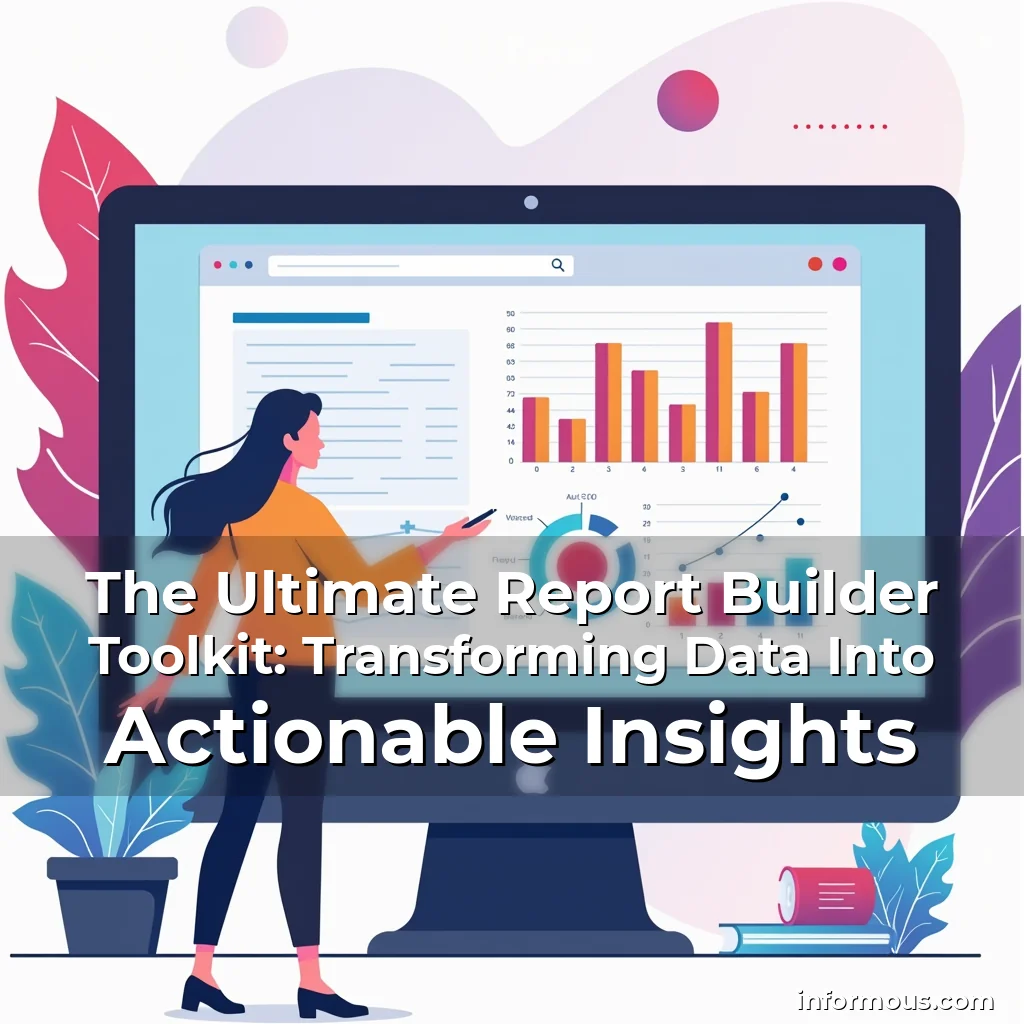
Some premium solutions provide interactive dashboards where stakeholders can explore data visually through charts, graphs, and heat maps. Such visual representations facilitate quicker comprehension of key performance indicators.
Automated scheduling and distribution features allow reports to reach relevant audiences at designated times automatically, reducing administrative overheads associated with manual delivery methods.
Security measures embedded within top-tier report builders protect sensitive corporate information from unauthorized access or breaches, which is critical in regulated industries like banking and insurance sectors.
Case Studies Demonstrating Real-World Impact
Several case studies highlight how implementing effective report builders transforms operational efficiencies dramatically. One notable example involves a mid-sized retail chain that optimized inventory management using intelligent reporting tools.
Before adopting new reporting technologies, this retailer faced significant challenges related to stock shortages and overstock situations due to inadequate visibility into sales trends.
By integrating an advanced report builder system, they were able to analyze historical sales data alongside current demand forecasts accurately predicting product needs well ahead of schedule.
This proactive approach resulted in a remarkable reduction in excess inventory holding costs while simultaneously improving customer satisfaction levels through better availability of products.
Quantifying Success Through Metrics
Measurable improvements became evident after deployment; the company reported a 38% decrease in out-of-stock incidents and a corresponding increase in revenue figures attributed directly to improved supply chain coordination efforts.
Furthermore, employee productivity metrics showed a positive shift as staff members could now spend more time focusing on strategic initiatives rather than routine data collection activities previously consuming most of their workdays.
The return on investment was substantial considering initial setup expenses were recouped within six months thanks primarily to increased operational efficiency gains realized post-implementation phase.
Such tangible results underscored the importance of investing in modern reporting technologies aligned closely with organizational goals and objectives.
Best Practices For Maximizing Report Builder Effectiveness
To derive optimal value from your chosen report builder platform, adhering to best practices becomes imperative. Establish clear objectives upfront regarding what specific outcomes you aim to achieve through regular reporting cycles.
Determine who will have access privileges based on role definitions within your organization structure ensuring confidentiality protocols remain intact whenever dealing with confidential financial records or client-related information.
Schedule periodic reviews of generated outputs against actual performance benchmarks continuously refining parameters used for filtering criteria thereby enhancing accuracy levels progressively over time.
Encourage cross-functional collaboration amongst departments involved so diverse perspectives contribute meaningfully towards shaping final output formats suitable across varying stakeholder preferences.
Future Trends Shaping The Landscape Of Reporting Tools
The landscape surrounding report building technologies continues evolving rapidly driven mainly by advancements occurring within AI research domains coupled with growing demands placed upon digital transformation strategies adopted globally.
Expect forthcoming versions incorporating natural language processing capabilities allowing users simply ask questions verbally instead relying solely textual input mechanisms currently prevalent today.
Integration possibilities extending further encompassing augmented reality experiences providing immersive ways exploring multi-dimensional datasets interactively manipulating variables live via gesture-based controls.
Moreover, sustainability-focused enhancements aimed at minimizing carbon footprints linked with traditional print-based documentation processes transitioning fully electronic mediums becoming increasingly viable alternatives moving forward.
Common Challenges Faced When Implementing New Reporting Systems
Despite numerous benefits associated with deploying state-of-the-art reporting infrastructures several common hurdles tend arise during transition phases requiring careful mitigation approaches.
Data migration complexities constitute primary obstacles encountered particularly when transferring legacy information stored across disparate formats necessitating thorough cleansing procedures prior loading onto fresh environments.
Resistance stemming from change aversion among personnel accustomed previous methodologies poses another considerable challenge demanding comprehensive change management programs involving adequate training sessions plus ongoing support structures post-deployment periods.
Additionally, maintaining consistency across all connected modules remains vital preventing siloed information pockets developing independently outside centralized governance frameworks potentially undermining intended synergies sought initially through consolidation efforts.
Conclusion
The right report builder can transform raw data into meaningful insights that drive business success. By understanding core functionalities and choosing wisely based on organizational needs, companies position themselves strategically amidst ever-evolving technological landscapes.
Investing thoughtfully in robust reporting solutions not only enhances internal efficiencies but also strengthens external relationships built upon transparent communication supported consistently through reliable data sharing mechanisms accessible anytime anywhere securely.
“`